
You get it all but you speak in simple phrases.

Wispy gets the words you understand but never say into your speech. You recall a word yourself, say it in a conversation, and from then on it comes on its own.


Free to start. The first five minutes are already practice.

Hi, Product Hunt! On iPhone, code gives you 14 days free instead of 7 on the monthly plan.
Enter it in the app under “Have an invite code?” when it asks how you heard about Wispy. Works for a first subscription.
The code works on iPhone only. On Android the free trial is 7 days.
Recognising and speaking are two different skills.
You trained the first one: reading, listening, recognising — and it grew. The second grows only when you recall a word yourself and say it, and that is exactly what word lists and flashcards never asked of you.
Trying to say something makes you notice what's missing — reading doesn't do that.
What is hard to retrieve yourself is remembered better than what you were prompted with.
How a word reaches your speech.
Four steps that repeat day after day. About ten minutes, and the circle closes.
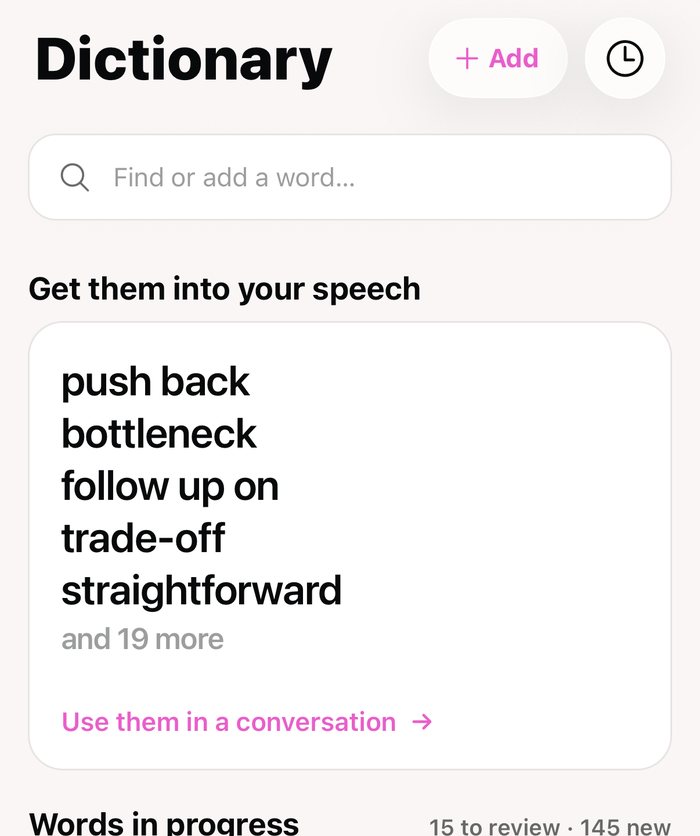
Something unfamiliar from an article, a show or a work chat. You look it up, and it lands in your dictionary.
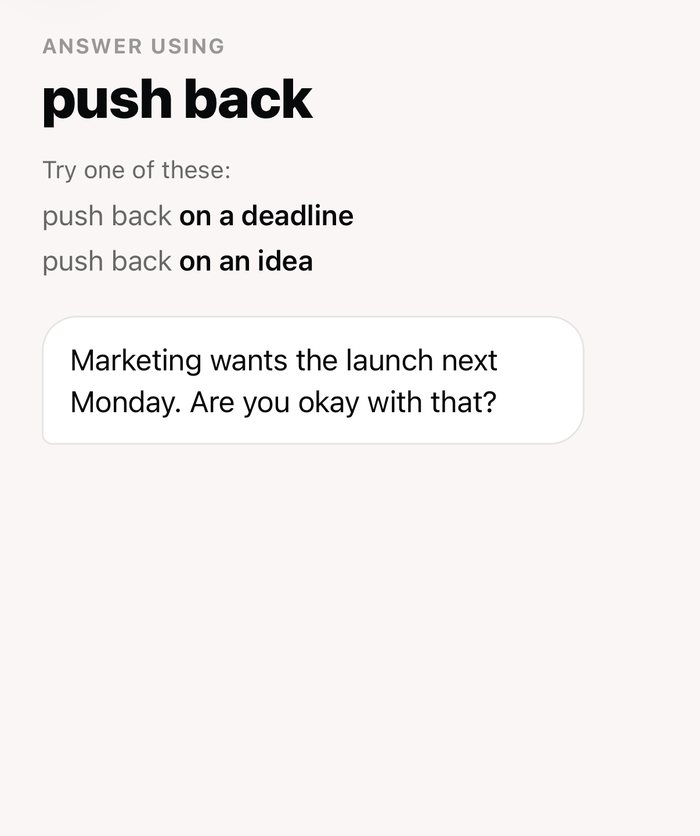
The word has to be written or spoken by you. Writing gives you time to think — saying it out loud comes later, and easier.
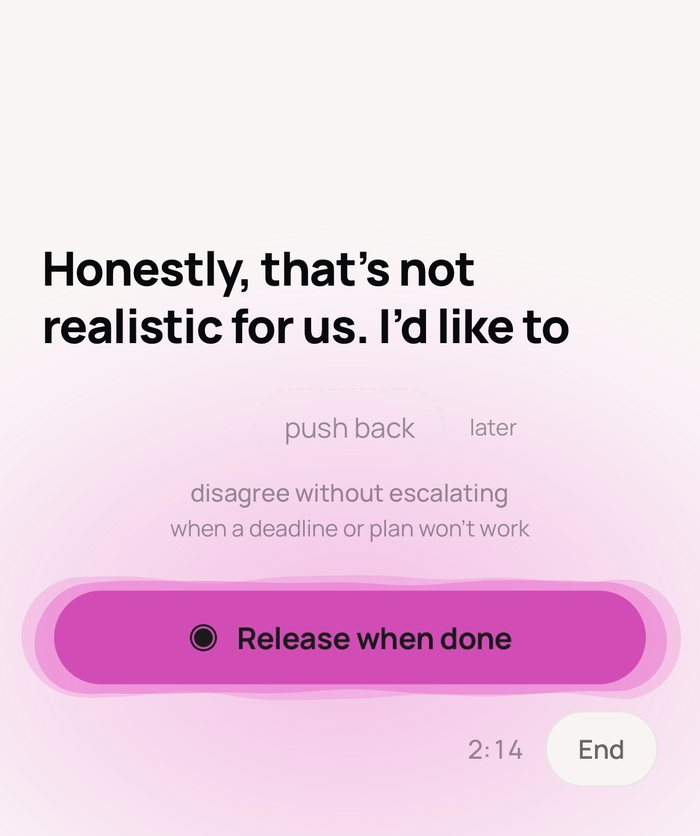
Your voice, a real topic, the clock running. The word waits in a prompt — you just fit it into your own sentence.
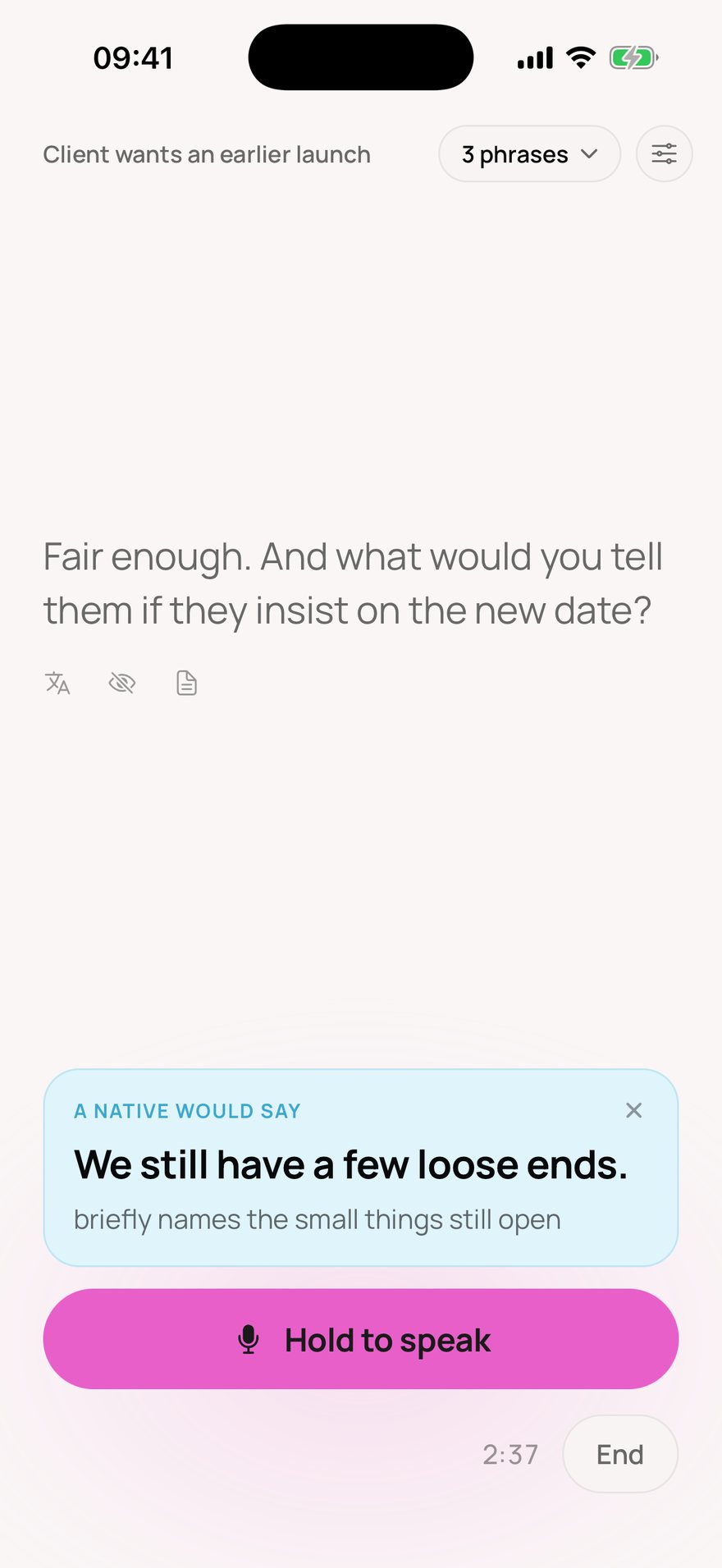
The phrase came out clumsy — and here is the version people actually use for the same thought.
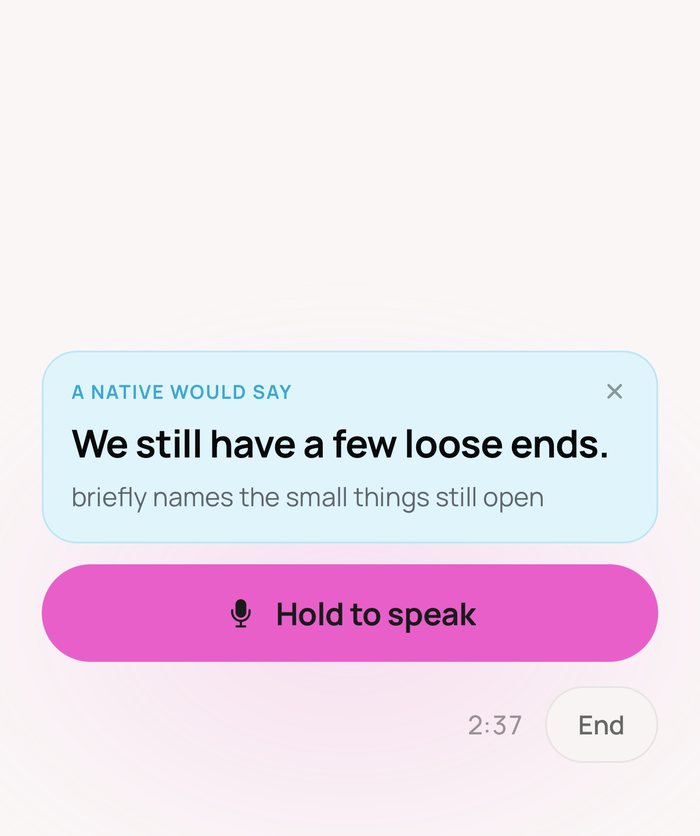
Nobody will say it for you.
Picking from a list is easy — which is why it is not work. The sentence has to be built by you, out of the words you already have, so that you are understood.
Out loud or in writing, whichever suits. Your sentence stays yours even when there is nowhere to say it yet.
The idiom lands. Slightly more natural: “This exam is a sink-or-swim situation.”
There are easier ways.
You teach the lesson. Between lessons, the words make it into speech.
Wispy does not replace your classes. It picks up the words you have covered and takes them further: the student learns to recognise them, builds sentences with them, says them out loud and uses them in a conversation. They come to the next lesson having already tried to say them.
- 01Paste the words from your lesson
One per line, with a note if you like: “run a meeting - lead a meeting”. Wispy finds the meanings, you check them.
- 02Send the link to your students
With the link or a six-character code, your words come first for the student. Their first conversation on your list is free.
- 03See where each word stands
For every student and every word: learning, recognises, tried to say it, said it. And when they last practised.
You never see students’ sentences or conversations, only which words came up. Free for teachers.
Turn it on in the app: Profile → “I’m a teacher”.
A school or several groups? Write to us: info@wispylang.app
Name the conversation ahead and rehearse it before it happens.
In your own words: “standup, and my task is stuck”, “viewing a flat on Thursday”. Wispy finds a similar situation, prepares you with short lessons and lets you talk it through with the other person. If there is nothing similar, you talk through your own description.

Dana · team lead

Simon · landlord

Maya · VC partner

Jamie · party guest

Daniel · senior colleague

Emma · hiring manager

Tom · manager

Paul · manager
And dozens more: the doctor, the pharmacy, a call to the bank, a parcel that never came, a date, a co-founder, a first sale.
English from what you already watch.
Series, sport, games. The phrases fans actually use, each with an example from the show and from real life, then you say it yourself or talk to a character. Free, with no limits.

The English of claims, oaths and scheming. Turns out Westeros sounds a lot like Monday meetings.

The English of confidence and arrogance — through Gojo and Sukuna.

American slang, hype culture and satire from the most anticipated game of the year.
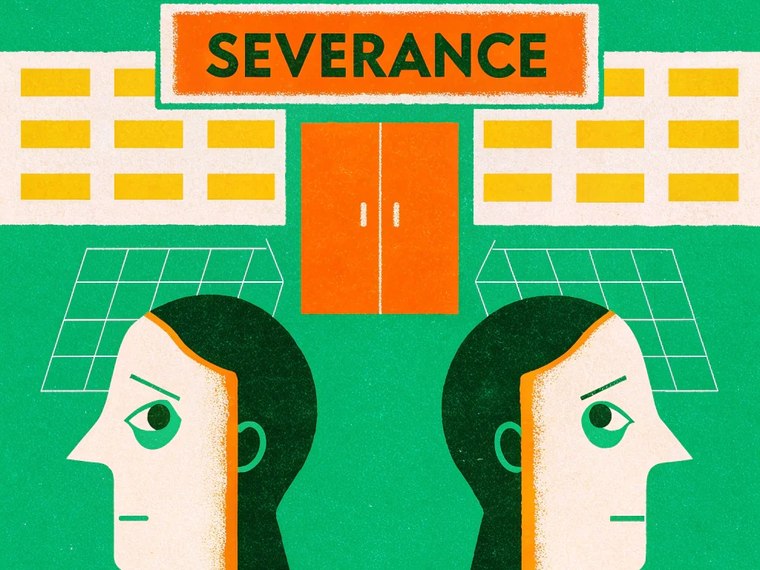
Lumon's corporate cult-speak against real workplace English.
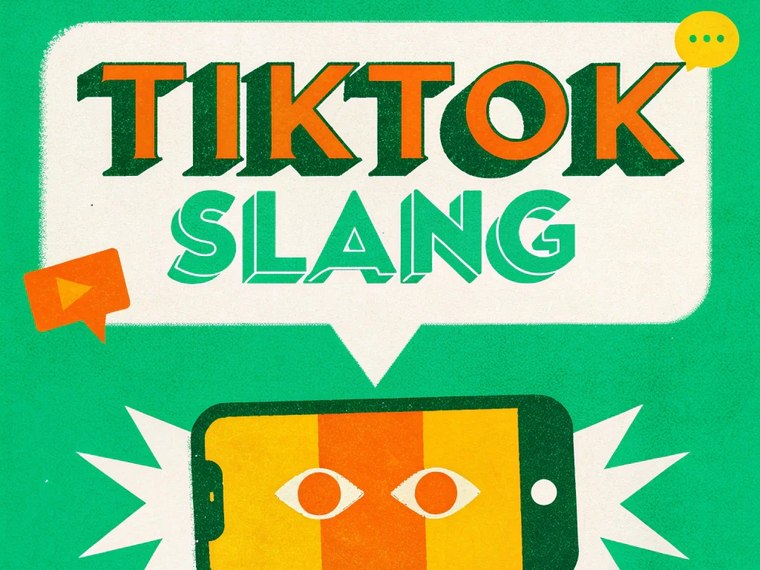
38 Gen Z words that already reached work chats and the Oxford dictionary.

Team radio, strategy and business English at three hundred kilometres an hour.
New topics land as the seasons go: series, games, sport, music, trends.
What it looks like when it works.
Depends on why you need English.

Say it out loud.
You already have everything you need. What is left is saying it — and the first time can be today.
Your first conversation is five minutes after install. Alone in a room, nobody hears it.